Newsletter Subscribe
Enter your email address below and subscribe to our newsletter

 ByJohn A
A website can have useful content and an attractive design, yet still struggle to gain visibility in search results. Search engine optimization involves many factors, including technical performance, content quality, keyword targeting, website structure and user experience. Identifying which areas need improvement can be difficult when relying only on manual checks.
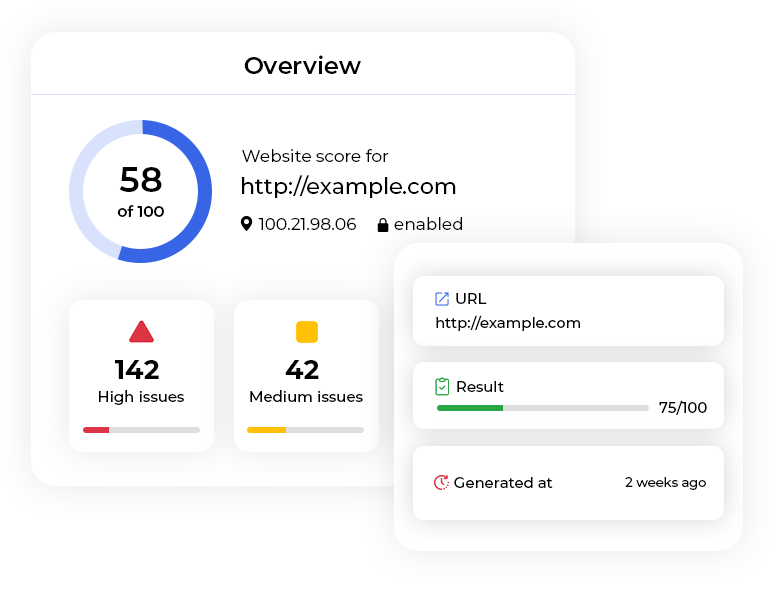
SEO Analysis Tools can help businesses, marketers and website owners evaluate different aspects of a website and identify areas that may require optimisation. By analysing technical elements, search visibility, content and performance data, these tools can provide useful information for developing a more focused SEO strategy.
SEO performance can be affected by problems that are not immediately visible to visitors. A page may have indexing issues, slow loading times, weak keyword targeting or internal linking problems that limit its search visibility.
Website analysis can help identify:
Identifying these areas gives website owners a clearer starting point for optimisation.
See also: Essential Gutter Repair in Central Coast Tips for Property Owners
Technical SEO provides the foundation for making a website accessible to search engines and users. Problems within the site’s technical structure can affect how pages are crawled, indexed and displayed.
Broken internal or external links can create poor user experiences and make website maintenance more difficult. Analysis tools can crawl a website and identify links that return errors.
Once identified, broken links can be reviewed and corrected, redirected or removed where appropriate.
Search engines need to discover and understand website pages before they can potentially appear in search results. Technical analysis can highlight pages that may have crawling or indexing problems.
Issues may involve:
Addressing these issues can help ensure that important pages are technically accessible to search engines.
Keywords help search engines understand the topics covered by a page. However, identifying suitable keywords and understanding how existing pages perform for them can require detailed analysis.
SEO Analysis Tools can help identify keywords for which a website already has visibility and highlight areas where additional optimisation may be possible.
For example, a page ranking near the top of the second page for a relevant search term may present an opportunity for content improvements. Updating the page with useful information, clearer headings and better topic coverage may help strengthen its relevance.
Content analysis can reveal subjects that are missing or insufficiently covered on a website.
A content gap occurs when a website does not adequately address a relevant topic or search intent that its target audience may be looking for.
Analysis can help identify:
This information can support the development of useful articles, service pages, guides and other resources.
On-page optimisation involves elements that appear directly on individual web pages as well as information contained within the page’s HTML.
Analysis tools can identify potential issues with:
Title tags help communicate the subject of a page to search engines and users. A website audit may identify missing, duplicated or poorly structured titles.
Although meta descriptions are not generally a direct ranking factor, they can provide searchers with a concise explanation of what a page offers. Analysis can identify missing or duplicated descriptions.
Headings help organise content and make pages easier to understand. An analysis may highlight missing or inconsistent heading structures.
Large image files and missing alternative text can create opportunities for improvement. Image-related checks can help identify pages where optimisation may be needed.
Internal links connect pages within the same website. They can help users navigate between related content and provide search engines with additional context about the relationship between pages.
Analysis tools can help identify:
Improving internal linking can create a clearer website structure and help users discover related information.
Website performance can influence both user experience and search visibility. Slow-loading pages may create frustration, particularly for users accessing websites on mobile devices or slower connections.
Performance analysis can highlight areas such as:
The findings can then be used to prioritise technical improvements.
SEO analysis is not limited to your own website. Competitor research can provide information about how other websites approach keywords, content and search visibility.
Competitive analysis may reveal:
This information should be used to identify relevant opportunities rather than simply copying competitors.
SEO is an ongoing process, so a single website audit may not provide the complete picture. Regular analysis allows businesses to monitor changes and determine whether optimisation efforts are producing measurable improvements.
Tracking performance over time can help identify:
Historical data can also make it easier to understand whether a change is temporary or part of a longer-term trend.
A website audit can produce a large number of findings, but not every issue needs to be addressed immediately.
A practical approach is to consider each opportunity based on:
Consider how strongly the issue may affect search visibility, user experience or business objectives.
Some improvements may take only a few minutes, while others can require development work or significant content updates.
Prioritise opportunities that relate to important pages, products, services or target audiences.
Technical problems that prevent important pages from being crawled or accessed may require faster attention than minor on-page improvements.
This approach can help teams focus their resources on meaningful optimisation work.
Analysis tools are useful, but their recommendations should not automatically be treated as a complete SEO strategy.
Common mistakes include:
Tools provide data and recommendations, but human review is still important when deciding which changes are appropriate for a particular website.
Website optimisation requires a clear understanding of what is working and where improvements may be possible. From technical problems and broken links to keyword opportunities, content gaps and internal linking, many potential improvements can be difficult to identify through manual checks alone.
SEO Analysis Tools can simplify this process by examining different areas of website performance and presenting useful findings. When the information is combined with business objectives, search intent and professional judgement, it can provide a stronger foundation for prioritising SEO improvements.
Regular analysis also allows website owners to monitor changes over time and identify new opportunities as search performance develops. Rather than relying on assumptions, using data from website analysis can help create a more structured and informed approach to ongoing SEO optimisation.