Newsletter Subscribe
Enter your email address below and subscribe to our newsletter

 ByJohn A
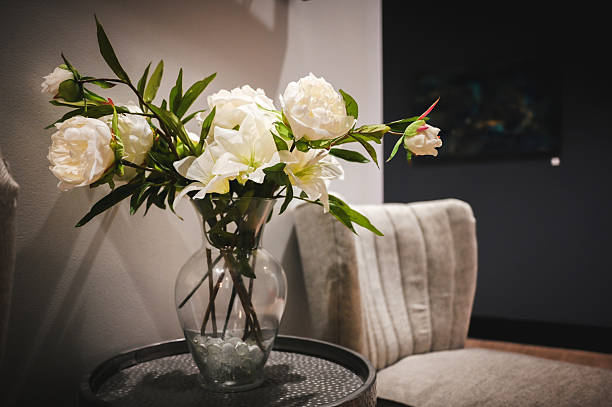
An office environment can influence how people feel, work, and interact throughout the day. Thoughtfully chosen décor can make a workspace feel more welcoming without affecting its professional character. Artificial flowers for office spaces offer a practical way to introduce colour, texture, and visual interest while creating an attractive environment for employees, clients, and visitors.
Unlike fresh flowers, artificial arrangements do not require regular watering or replacement. This makes them suitable for reception areas, meeting rooms, workstations, breakout spaces, and other areas where maintaining decorative plants may be difficult. With the right selection and placement, artificial flowers can complement an office interior while maintaining a polished appearance.
Office décor needs to balance appearance with practicality. Decorative elements should enhance the environment without creating unnecessary maintenance requirements.
See also: Essential Gutter Repair in Central Coast Tips for Property Owners
Artificial flowers do not need sunlight, watering, pruning, or regular replacement. They can remain in an office throughout the year, making them convenient for busy workplaces.
Regular dusting and occasional cleaning can help keep arrangements looking fresh. This simple maintenance routine makes artificial flowers suitable for offices where staff have limited time to care for decorative features.
Fresh flowers naturally change as they age, while artificial flowers can maintain a consistent appearance for much longer. This allows offices to maintain a coordinated decorative style without frequently changing arrangements.
Artificial flowers can be placed in locations where natural flowers may not thrive. Dark corridors, enclosed reception areas, meeting rooms, and spaces away from windows can all accommodate artificial arrangements.
The best arrangement depends on the office layout, colour scheme, available space, and overall atmosphere.
Flowers should complement the existing interior rather than compete with it. Neutral office interiors can benefit from carefully selected colours that add visual interest, while colourful spaces may work better with subtle arrangements.
Consider the colours already present in:
Choosing complementary colours can create a more cohesive appearance.
The size of an arrangement should correspond with the available space. A large floral display may work well in a spacious reception area but could overwhelm a small desk.
For smaller areas, consider compact arrangements or individual stems. Larger offices may accommodate floor-standing displays, tall arrangements, or wider floral features.
Different areas of an office can benefit from different types of floral displays. Using arrangements strategically can create a consistent decorative theme throughout the workspace.
The reception area is often one of the first parts of an office that visitors see. A well-positioned floral arrangement can add warmth and visual interest while maintaining a professional appearance.
A medium or large arrangement placed on a reception desk, side table, or nearby console can create an attractive focal point. The design should leave enough space for reception activities and avoid obstructing signs or important information.
Meeting rooms can sometimes appear formal or plain. A simple artificial floral arrangement can soften the space without distracting from meetings and presentations.
A small arrangement on a side table or a carefully positioned display in the corner can provide colour while preserving useful table space.
Small artificial flowers can bring subtle decorative touches to individual work areas. Compact arrangements are particularly useful when desk space is limited.
The arrangement should not interfere with computers, documents, lighting, or other essential equipment. Keeping decorations to one side of the workspace can help maintain an organised appearance.
Breakout spaces are designed for informal conversations, relaxation, and short breaks. Artificial flowers can contribute to a more comfortable atmosphere in these areas.
Larger arrangements can work particularly well on side tables, shelving units, or counters. Coordinating the flowers with cushions, furniture, and other décor can make the space feel more connected.
Long corridors and open common areas can sometimes lack decorative features. Artificial flowers can add interest to these spaces without requiring access to natural light.
Wall-adjacent tables, alcoves, shelves, and unused corners can provide suitable locations for arrangements.
Office flowers should generally support the professional character of the environment. The goal is to create visual interest without making the workspace appear cluttered.
A balanced arrangement considers height, width, colour, and surrounding space. Flowers should have enough room around them so that they remain visually noticeable without making the area feel crowded.
Using too many floral displays can make an office feel busy. Instead, consider selecting specific areas where flowers can have the greatest visual impact.
For example, an office might use one prominent arrangement at reception, smaller arrangements in meeting rooms, and subtle displays in breakout areas.
Using related colours or flower styles across different office areas can create consistency. The arrangements do not have to be identical, but they can share similar tones, textures, or design elements.
Artificial flowers can also be adapted to reflect seasonal changes. Changing selected arrangements can give the office a refreshed appearance without requiring major changes to the interior.
Soft colours and delicate floral designs can create a light and fresh appearance. Pastel shades and greenery can work well with bright office interiors.
Brighter colours can introduce energy into the workspace during warmer months. Bold floral arrangements can be used in reception and communal areas where there is enough room for a stronger visual feature.
Warm tones can create a comfortable and inviting atmosphere. Colours inspired by autumn foliage can complement offices with neutral furniture and natural-looking finishes.
Winter-inspired displays can use deeper tones, greenery, and textured elements. These arrangements can add seasonal character while remaining suitable for professional environments.
Although artificial flowers require less care than fresh flowers, regular cleaning helps maintain their appearance.
Dust can collect on petals, leaves, and stems over time. Gentle dusting can help keep the arrangement looking clean and presentable.
Busy office areas may cause arrangements to shift. Periodically checking their position helps ensure they remain stable and do not interfere with movement or work activities.
Over time, office interiors may change. Furniture, wall colours, layouts, and branding elements can all influence whether an existing floral arrangement still suits the space.
Refreshing or repositioning arrangements can help maintain a coordinated office appearance.
Artificial flowers can contribute to the overall visual experience of an office. A thoughtfully decorated environment may feel more welcoming to employees and visitors.
Floral displays can also help break up large areas of plain furniture, introduce natural-inspired shapes, and add colour to neutral interiors. When used carefully, they can become part of a broader office design rather than simply functioning as individual decorative objects.
Before placing an arrangement, consider how people use the area. Flowers should not block walkways, emergency access points, signage, lighting, or essential equipment.
High-traffic areas require particularly careful placement. Arrangements should be positioned securely and at an appropriate height. In smaller offices, using vertical space through shelves or tall floor arrangements can provide decoration without taking up valuable desk or floor space.
Artificial flowers provide a practical and versatile way to enhance an office environment. From reception areas and meeting rooms to workstations and breakout spaces, the right floral displays can add colour, texture, and visual interest while requiring minimal maintenance.
Choosing arrangements that suit the office size, interior style, colour scheme, and available space can help create a professional yet inviting atmosphere. Whether the goal is to create a welcoming reception area or add subtle decoration to everyday workspaces, artificial flower arrangements in UK offices can provide a flexible option for long-lasting workplace décor.