Newsletter Subscribe
Enter your email address below and subscribe to our newsletter

 ByJohn A
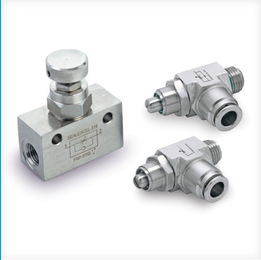
On a purchase order, plastic push-in fittings look like a bargain. They cost a fraction of the metal version, weigh almost nothing, and connect to tubing just as fast. In a clean, dry assembly room, they may run for years without a complaint. Move that same fitting next to a caustic wash station, a hot sealing jaw, or a chemical dosing skid, and the math changes. Many plants switch to stainless steel pneumatic hose and fittings in those areas only after the third or fourth round of replacements.
This post looks at where plastic falls short and how stainless steel pneumatic hose and fittings differ. It also covers how to decide which parts of your plant actually need the upgrade. Not every air line does, and some probably never will.
Plastic has its place. Sealexcel’s own technical guidance notes that most low-pressure systems run on plastic fittings, while hot environments may call for metal. Problems start when a plant treats every area the same way.
These conditions tend to shorten the life of plastic fittings:
A cracked body rarely fails loudly. More often, the fitting leaks air quietly for weeks before anyone traces the sound.
See also: Waterborne Paint and California Air Rules: How an Auto Paint Shop Finishes a Car Legally
Ratings make this comparison easier. Sealexcel rates its SS316L push-on fittings at 290 psi (about 20 bar) cold working pressure, with a temperature rating up to 320°F (160°C). Its stainless steel push-in fittings carry the same 290 psi pressure rating.
Would a plastic fitting survive steady heat beside a shrink tunnel? Check the data sheet, because many would not. A fitting that softens under heat can also lose its grip on the tubing long before it shows any visible damage.
Still, higher ratings only help if your system needs them. An air line running at 90 psi in a cool, dry room gains very little from stainless.
Corrosion is the slower threat. Washdown chemicals, salt air at coastal sites, and process vapors all wear away at exposed surfaces over months and years.
Sealexcel electropolishes every component of its stainless steel push-in fittings. The process leaves a passive chromium oxide layer on the surface that resists corrosion. The push-on range uses SS316L, a low-carbon version of 316 stainless steel.
Sealexcel also describes its pneumatic products as NSF-certified. That detail can matter a great deal to food and beverage buyers who face regular sanitation audits.
Sealexcel builds each push-in fitting from six parts:
Each part has one job. The collet grips the tube, the guide ring keeps it aligned, and the sleeve lets a technician release the tube by hand without tools.
Why does this matter in a harsh plant? A metal body tends to keep the collet and guide ring seated even after a hard knock. The O-ring still needs attention, though, since seals wear out on stainless and plastic fittings alike.
The purchase price covers only part of the cost. Add the labor for each replacement, the spare parts on your shelf, and the production lost while a machine sits idle. A fitting that costs more but stays put for years may come out ahead.
It may not, of course, if the area is mild. That is why a zone-by-zone review works better than one rule for the whole plant.
Start with last year’s maintenance log. Mark every spot where someone replaced a fitting more than once. Those spots are your first candidates.
Then ask these questions about each area:
Two or more yes answers make a strong case for stainless. A single yes might still justify the switch, depending on what the line produces.
Installation counts too. Cut the tube square at 90 degrees and clear away any burrs before you insert it. A rough cut can defeat even a well-made fitting.
Wrapping Up
US plants looking for stainless push-in and push-on fittings made directly by the manufacturer can review the Sealexcel pneumatic range. Sealexcel builds and tests these fittings at its own facilities in India. You can send your pressure, temperature, and exposure details through the inquiry page.
Visit https://sealexcel.com/pneumatic-fittings/