Newsletter Subscribe
Enter your email address below and subscribe to our newsletter

 ByJohn A
Sensitive information can exist on computers, hard drives, smartphones, servers, USB drives, and other storage devices long after they are no longer being used. Simply deleting files or formatting a device does not always make the information permanently inaccessible. This is why data destruction services are used to help organisations securely dispose of information stored on physical and electronic media.
Secure data destruction involves processes designed to make stored information unrecoverable. When performed correctly, it can reduce the risk of unauthorised access, information exposure, identity theft, and data breaches. Understanding how these services work can help businesses develop safer procedures for managing information throughout its lifecycle.
Data destruction is the process of permanently removing information from a storage device so that it cannot be accessed or reconstructed through normal or specialised recovery methods.
Unlike ordinary file deletion, secure destruction focuses on making the stored information unusable. The appropriate method depends on the type of device, the sensitivity of the information, and whether the storage equipment needs to remain physically usable.
See also: Why Stainless Steel Pneumatic Hose and Fittings Outlast Plastic in Harsh Plants
When a file is deleted, the operating system may remove the reference to that file rather than immediately removing every piece of data from the storage medium. In some circumstances, specialised software can recover deleted information.
Formatting a drive may also leave information that can potentially be retrieved. For organisations handling confidential records, relying only on basic deletion can therefore create unnecessary security risks.
Sensitive information can include customer records, employee details, financial documents, business plans, passwords, intellectual property, medical information, and confidential communications.
It may be stored on:
Professional destruction processes use controlled methods to prevent information from being recovered after equipment is retired, replaced, or disposed of.
The primary purpose of secure data destruction is to prevent sensitive information from being reconstructed. Depending on the storage medium and required security level, this can involve specialised software-based sanitisation or physical destruction.
For example, a device that will be reused may require a secure sanitisation process that removes stored information while preserving the hardware. If a device is no longer suitable for use, physical destruction may be selected instead.
Old devices can remain a security concern if they contain information that has not been properly removed. Equipment that is sold, recycled, donated, returned, or discarded could potentially expose information if the storage media has not been securely treated.
Data destruction helps reduce this risk by addressing the information before the device leaves an organisation’s control.
Secure destruction can form part of a controlled asset disposal process. Instead of allowing retired equipment to move directly into general recycling or disposal channels, organisations can establish procedures for identifying storage devices and ensuring that information is dealt with appropriately first.
This creates a clearer separation between information security and ordinary equipment disposal.
Different storage devices require different approaches. Selecting the right method is important because technologies such as solid-state storage can behave differently from traditional magnetic hard drives.
Data sanitisation uses specialised techniques to remove information from storage media. Depending on the device and applicable requirements, this can involve overwriting or other approved sanitisation processes.
The objective is to make previously stored information inaccessible while potentially allowing the device to continue being used.
Some storage systems use encryption to protect stored information. Cryptographic erasure can involve securely removing the encryption keys required to access the data.
This method can be useful in certain environments where encryption is already properly implemented and managed.
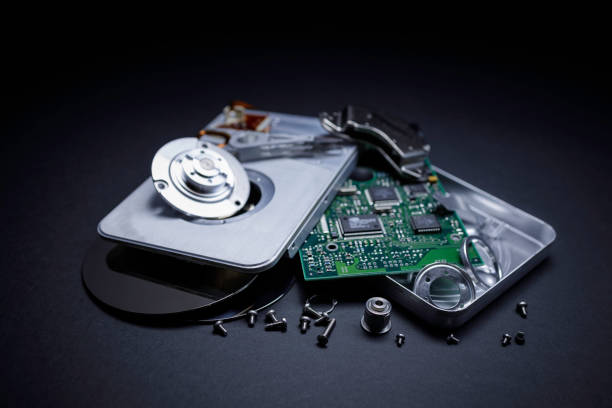
Physical destruction involves damaging the storage medium so that its data cannot be practically recovered.
Methods may include shredding, crushing, disintegration, or other specialised techniques. Physical destruction is particularly relevant when storage devices are damaged, obsolete, or no longer required for reuse.
The destruction process itself is only one part of secure information disposal. Devices containing sensitive data should also be handled carefully before they reach the destruction stage.
Organisations should know which equipment contains data and where those devices are located. This can include computers, removable media, backup equipment, and retired servers.
Maintaining an accurate asset inventory makes it easier to identify devices that require secure treatment.
Access to retired equipment should be restricted until the information has been securely sanitised or destroyed. Uncontrolled access can create opportunities for information to be copied or removed before destruction takes place.
Storage devices should be clearly identified and separated from ordinary electronic waste. This helps prevent sensitive equipment from accidentally entering an inappropriate disposal stream.
Many organisations operate under privacy, security, or industry-specific requirements concerning the handling of information. These requirements may include obligations relating to retention, disposal, confidentiality, and protection against unauthorised access.
Secure destruction can support an organisation’s information governance procedures by providing a defined process for disposing of information when it is no longer required.
Documentation can be an important part of a secure destruction programme. Records may include details such as the type of equipment processed, the date of destruction, the destruction method, and relevant asset information.
These records can help organisations demonstrate that disposal procedures were followed.
A documented process helps reduce uncertainty when employees retire equipment or dispose of storage media. Clear procedures can specify who is responsible for identifying devices, approving destruction, transferring equipment, and recording completion.
Data should generally be securely destroyed when it is no longer required and there is no legitimate reason to retain it.
Replacing computers, servers, phones, or storage devices creates an opportunity to address information stored on the old equipment before it is transferred or disposed of.
Organisations may retain certain records for defined periods. Once information is no longer required under applicable retention requirements, secure destruction can help prevent unnecessary accumulation of sensitive data.
Damaged or failed devices can still contain recoverable information. Physical failure does not necessarily mean that the information has disappeared, so damaged storage media should be treated as potentially sensitive until securely destroyed.
Poor disposal practices can create several security and operational risks. A discarded device containing recoverable information may expose confidential records to unauthorised individuals.
Potential consequences can include privacy incidents, financial losses, reputational damage, regulatory concerns, and disruption to business operations.
Another risk is inconsistent disposal. If employees use different methods to delete information, some devices may be securely processed while others remain vulnerable.
A strong process should combine technology, physical controls, documentation, and employee awareness.
Businesses can begin by identifying all types of data-bearing equipment they use. They can then establish procedures for determining when information should be retained, sanitised, or destroyed.
Staff should also understand that deleting a file or placing a device in an electronics recycling container does not necessarily constitute secure data destruction.
Regular reviews of disposal procedures can help organisations identify gaps and ensure that processes remain appropriate as storage technologies and information-handling requirements change.
Data destruction is an important part of protecting sensitive information throughout its lifecycle. Simply deleting files or formatting a device may not provide sufficient protection when confidential information needs to be permanently removed.
Secure data destruction uses appropriate sanitisation or physical destruction methods to make information inaccessible and reduce the risk of unauthorised recovery. By identifying data-bearing equipment, controlling access, selecting suitable destruction methods, and maintaining proper records, organisations can create a more structured approach to information disposal.
Whether equipment is being replaced, recycled, retired, or permanently removed from service, secure destruction helps ensure that sensitive information does not remain exposed after its useful life has ended.