Newsletter Subscribe
Enter your email address below and subscribe to our newsletter

 ByJohn A
Most manufacturers track raw material coming in with precision, then lose sight of what leaves the floor as offcuts. Steel recycling in Melbourne is often treated as waste disposal rather than recovery, which means the value sitting in the skip never reaches the balance sheet where it belongs at the end of each quarter.
That gap closes once scrap is handled as a stream with its own process rather than a by-product nobody owns. Steel recycling in Melbourne works best when segregation, storage and collection are built into daily production routines, because the grade of metal leaving the site determines the return that comes back.
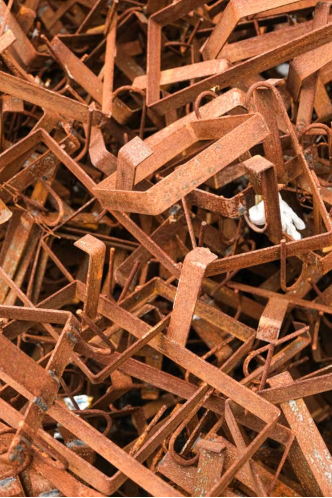
Scrap Generated by Normal Production Runs: Every fabrication run produces material that was never destined for a finished product. Guillotine offcuts, drop ends from beam cutting, punchings, swarf, failed welds and redundant racking accumulate steadily across a shift. This material holds the same alloy content it had on arrival, and its value falls only when it is contaminated by other waste streams.
What Delay Costs Across a Production Year: Postponing a sorting system rarely feels urgent, because the loss appears in small daily increments rather than a single visible event. Operators across Melbourne industrial sites routinely see mixed loads written down to the lowest grade present, and by the time volumes are large enough to notice, months of recoverable value have already gone out in general waste.
See also: Water Filtration Systems in Canada Can Be Matched to the Specific Water Quality Needs of a Property
Grade Integrity Starts at the Point of Cutting: Separated scrap earns more because it arrives ready to process without additional handling downstream. Keeping ferrous material apart from aluminium, copper, timber and plastic preserves a clean load that feeds directly into established resource recovery infrastructure. Mixed loads must be pulled apart by hand or machine, and that cost is deducted from the price offered.
Storage That Keeps Scrap Dry and Identifiable: Ferrous scrap held outdoors on bare ground picks up moisture, soil and surface rust that reduce recoverable weight and complicate grading. A covered, hard-standing area with clearly marked containers keeps each grade identifiable weeks after it was generated. Steel recycling in Melbourne pays more for loads kept dry and clearly labelled.
Bin Placement Follows the Machine, Not the Loading Dock: Scrap ends up in the nearest available container, so the container has to sit where the scrap is made. A bin beside the guillotine, the saw and the fabrication bay removes the decision an operator makes when the correct bin is forty metres away. Placement does more for segregation than any written instruction.
Scheduled Collections Match Output Rather Than Guesswork: A collection schedule built around actual production volumes prevents bins overflowing into shared waste areas, which is where contamination usually begins. Sites running steady output benefit from a fixed cycle, while project-driven manufacturers are better served by call-based collection. Services of this kind are geared to commercial and industrial volumes.
Skip Hire Trades Convenience for Recoverable Value: A general waste skip is simple and requires no sorting, but everything inside it is charged as disposal and nothing comes back. Segregated ferrous collection asks for discipline on the floor and returns a payment based on weight and grade, with commodity price benchmarking setting the rate at the time of collection.
When Each Option Genuinely Makes Sense: Mixed skips remain the practical choice for demolition debris, contaminated material and one-off clean-outs where separation is impractical. Recurring manufacturing scrap is a different proposition, because the volume is predictable, the alloy is known and the same material appears every week. Predictability is what makes segregation worth the floor space it occupies.
Net Return Matters More Than the Quoted Rate: The headline price per tonne is only part of the calculation. Transport distance, bin hire, internal labour spent sorting and the floor space given over to storage all reduce the final figure. A realistic assessment compares the net return against the disposal cost that would otherwise have been paid each quarter.
Volume Thresholds Change the Arithmetic: Small, irregular quantities rarely justify a dedicated collection, and the transport cost can absorb the entire return. Once a site generates a full bin on a regular cycle, the economics shift and the same material becomes a modest but reliable revenue line. Tracking weights over a few months shows where steel recycling in Melbourne starts paying for itself.
A few operational details decide whether steel recycling in Melbourne becomes a functioning system or another good intention. Most of them relate to habit and layout rather than equipment spend, and they are worth settling before the first bin arrives on site. Sites that address them early rarely need to redesign the process later.
Material that was previously a disposal cost turns into a tracked input the moment weights, grades and collection dates are recorded. That record gives a clearer picture of where waste is generated and often points back to a cutting pattern or a process that can be improved. Few sites regret starting that measurement.
A segregated scrap routine turns a recurring disposal cost into a measurable return and a cleaner compliance record. Every week it stays unsorted, that value leaves the site with the general waste, and the habit becomes harder to change as volumes grow. Contact the office to arrange an assessment of your scrap volumes and collection options.