Newsletter Subscribe
Enter your email address below and subscribe to our newsletter

 ByJohn A
Whereas some people have to resort to cosmetic surgery in order to get the smoothness, brightness, and youthfulness that they want from their skin, there are several options through which you can realize your dreams via non-surgical cosmetic dermatology treatments.
In Del Campo Dermatology & Laser Institute, individuals are able to find out personalized ways in which their skin concerns may be addressed. It is important to know more about these treatments, the advantages that come with them, and what one may expect from the treatment experience.
Image Source: Pinterest
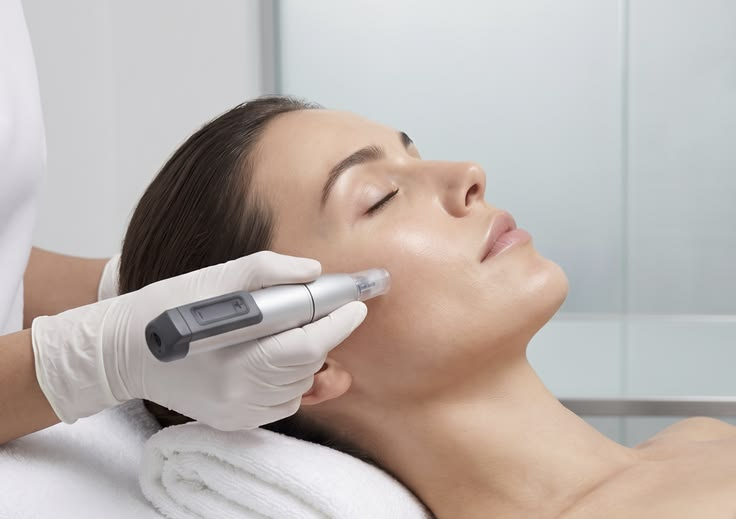
Non-invasive treatments are an example of a procedure used to enhance the appearance of the skin, face, or body without the use of surgical procedures. The treatments will depend on what is being treated; they will either involve the use of light, laser, injectables, or exfoliation among other treatment modalities.
The advantage of non-invasive treatments is that some of the treatments do not require any surgical incisions. Typically, non-invasive procedures enable patients to resume their daily activities immediately after treatment.
But “non-surgical” does not imply “risk-free.” Any medical intervention comes with its pros and cons. Consultation with an expert is necessary before any treatment so that your skin can be assessed, and the proper course of action chosen.
The most common treatment methods are laser and light-based treatments that are performed to deal with various skin conditions. Depending on the technology used, a procedure can make the skin less pigmented, red, covered with unwanted hair, blood vessels, the signs of sun damage, or rough.
Some resurfacing lasers help to stimulate natural healing processes and production of collagen in the skin. There are also some lasers that target pigment or blood vessels. It depends on your skin, condition, and the desired effect.
The intensity of treatments may differ greatly, and it means that recovery time can vary as well. Your practitioner will give you detailed information about the process.
Injectables
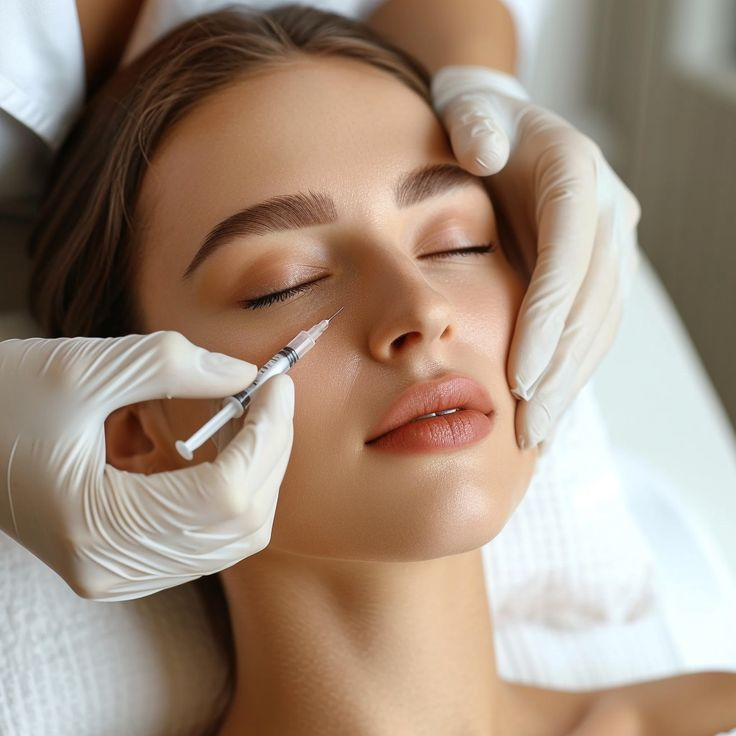
Another widely popular group of non-surgical aesthetic treatments includes injectables. There are various types of injectables that are meant for various purposes such as reducing the visibility of some wrinkles temporarily or adding volume to some particular parts of one’s body.
The procedure is usually done during an office appointment, and there are a number of procedures that require virtually no downtime. Nonetheless, the results will depend greatly on what exact product was used, which part of the face it targeted, etc.
A properly certified professional should evaluate your facial structure and your expectations from the procedure before advising you on injectables. The point is to get the result that looks proportional rather than addressing all visible lines and creases.
Chemical peels are used for removing some layers of the skin by applying a specially created solution. Depending on their composition and strength, they can be helpful for making one’s complexion brighter, more even-toned, acne-free, and so on.
Superficial Peels
Superficial peels are typically focused on the outer layers of the skin and can be relatively non-invasive with regards to downtime. These can be a good choice for those wanting to rejuvenate their skin and improve its appearance.
Deep Peels
More aggressive peels tend to reach deeper into the skin and can deliver more effective results, although at the same time having more recovery time associated with them. Such peels should be administered by a specialist only.
People often opt for cosmetic dermatology because of the possibility of addressing particular issues through a non-surgical procedure. This can be based on targeting one issue specifically or using a combination of treatments.
There can be many causes of fine lines and wrinkles like the aging of the skin, repeated use of facial expressions, too much sun exposure, changes in the structure of the skin and so on. There are different solutions to the problem depending upon the cause of the problem and its location.
Acne scars may present themselves in various ways. Acne scars can present themselves as indentations in the skin; as alterations in the skin’s color; and as red marks. Since not all scars look alike, there is no universal solution to them.
Uneven pigmentation and discoloration can happen as a result of sun exposure, hormone changes, inflammation, or something else entirely. Lasers, lights, peels, and more can be utilized to improve pigmentation.
It is essential to guard oneself against the sun before and after any procedure intended for improving pigmentation issues. Otherwise, the discoloration will just come back, possibly worse than before.
See also: HIPAA Compliant Medical Answering Service Helps Protect Both Patient Privacy and Physician Privacy
When there are many possible options out there, using something you saw on the internet to choose a treatment does not guarantee the results you hope for. Customized cosmetic dermatology depends on your individual skin and needs. At your consultation appointment, make sure to ask the following questions:
Moreover, it is necessary for you to have realistic expectations. Despite the fact that there are non-invasive treatments that help deal with aesthetic problems, the outcomes depend on every individual case. Some treatments give only temporary outcomes and require follow-up treatment, whereas others provide more permanent outcomes.
There are various non-surgical cosmetic options for those people who are looking forward to improving the condition of their skin or appearance without going under the knife. Various laser treatments, light treatments, injections, skin peels, skin resurfacing, and other cosmetic dermatology treatments can be utilized to solve issues like wrinkles, skin pigmentation, and skin marks caused by acne.