
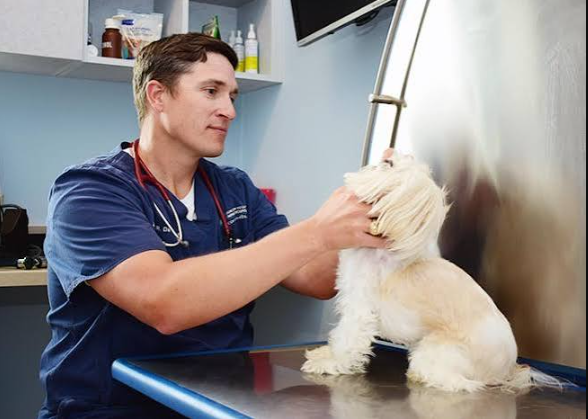

You notice the small changes first. Your dog takes longer to stand up after a nap. Your cat stops jumping to the window ledge she used every day. Meals take more coaxing, walks get shorter, and the habits you knew by heart start to shift. That kind of change can leave you uneasy, because aging in pets rarely happens all at once. It shows up in quiet ways, and you are left wondering what is normal, what is treatable, and what should not wait. For families seeking pet care in Richmond, TX, these subtle signs can be an important reason to pay closer attention.
Senior pet wellness is about catching those changes early, easing discomfort, and helping your pet keep a good quality of life for as long as possible. An animal hospital does more than treat illness when it appears. It tracks patterns, screens for age related disease, adjusts care as your pet changes, and gives you a plan that fits real life.
Animal hospitals help aging pets before a crisis starts
Older pets often hide pain well. Cats are famous for it, but dogs do it too. By the time limping, confusion, weight loss, accidents in the house, or appetite changes become obvious, the issue may already be affecting daily comfort. That is where regular senior visits matter. A strong wellness plan can uncover arthritis, dental disease, kidney problems, heart disease, thyroid changes, vision loss, or cognitive decline before those problems turn into an emergency.
The value of routine monitoring is simple. A veterinarian is not judging your pet on one bad day. They are looking at trends. Has your pet lost muscle over six months. Is blood pressure rising. Are lab values drifting away from your pet’s normal baseline. Those details shape better decisions, and they often lead to earlier treatment that is easier on both your pet and your budget.
The senior wellness services outlined by the University of Georgia reflect what many animal hospitals now emphasize, which is routine exams, lab work, pain assessment, nutrition review, and close attention to behavior changes. That kind of care is not excessive. It is practical. Older bodies change faster, and waiting a full year between checkups can leave too much room for a problem to grow.
Senior veterinary care supports comfort, mobility, and daily function
You may be thinking less about diagnosis and more about your pet’s day. Can he still enjoy walks. Is she grooming less because of pain. Why does nighttime pacing suddenly start. These are quality of life questions, and they deserve the same attention as test results.
Senior veterinary care often includes pain management, mobility support, diet changes, dental treatment, and home adjustments that make daily life easier. A pet with arthritis may need medication, weight control, joint support, and shorter but more frequent activity. A pet with kidney disease may need fluids, lab monitoring, and a new diet. A pet showing confusion may need a workup to rule out pain, sensory loss, metabolic disease, or cognitive decline.
There is also a stage that many families do not expect. Some pets are not in crisis, but they are no longer thriving without extra support. Transitional and palliative services can help in that middle ground, where the goal is comfort, function, and thoughtful planning. North Carolina State University’s Omega Transitional Care Service is one example of how animal hospitals can support pets with chronic or advanced conditions while guiding families through hard decisions with clarity and care.
Wellness plans for older pets reduce guesswork at home
Without a plan, every new behavior can feel alarming. Is your cat drinking more because of age, or because of diabetes or kidney disease. Is your dog slowing down because he is older, or because stairs now hurt. Guessing is exhausting, and internet searches usually make it worse.
An animal hospital gives structure to those concerns. That often means scheduled exams every six months, baseline blood and urine testing, blood pressure checks, body weight tracking, and screening based on breed, history, and symptoms. The 2023 AAHA guidelines for senior dogs and cats support this approach and stress individualized care, regular reassessment, and early attention to pain, cognition, nutrition, and mobility. You can review the AAHA senior care guidelines for dogs and cats for a closer look at the standards many hospitals follow.
| Approach | What It Looks Like | Likely Outcome |
|---|---|---|
| Wait for obvious symptoms | Visits happen only when your pet seems clearly sick or in pain | Problems are often found later, treatment may be more complex, and discomfort can last longer |
| Routine pet wellness monitoring | Twice yearly exams, lab work, pain checks, and tailored follow up | Earlier detection, steadier symptom control, and more predictable care costs over time |
| Home observation alone | You track appetite, mobility, sleep, and behavior without veterinary testing | Helpful for spotting change, but hidden disease can still be missed |
Practical steps to support your senior pet now
Schedule a dedicated senior exam. Ask for a visit focused on aging concerns, not just vaccines or a quick refill. Bring notes on appetite, thirst, sleep, mobility, accidents, pacing, confusion, coughing, and weight changes. Patterns matter more than one off events.
Request baseline screening. Blood work, urinalysis, blood pressure, and weight and muscle tracking give your veterinarian something solid to compare over time. That is often how age related disease is caught early, before your pet looks seriously ill.
Make one comfort upgrade at home. Add rugs for traction, raise food bowls if needed, place a litter box on each level of the house, use ramps or steps for favorite resting spots, and trim back long walks if recovery takes too long. Small changes can ease strain right away.
Animal hospital care gives senior pets more good days
Growing older does not mean your pet has to simply get by. Many age related problems can be managed well when they are found early and treated consistently. The right animal hospital helps you separate normal aging from treatable decline, and that alone can lift a lot of the fear you may be carrying.
If your pet has started to slow down, seems less comfortable, or just feels different in ways you cannot quite explain, schedule a senior wellness visit and get a clearer picture of what is going on. More good days often start with one careful exam.