
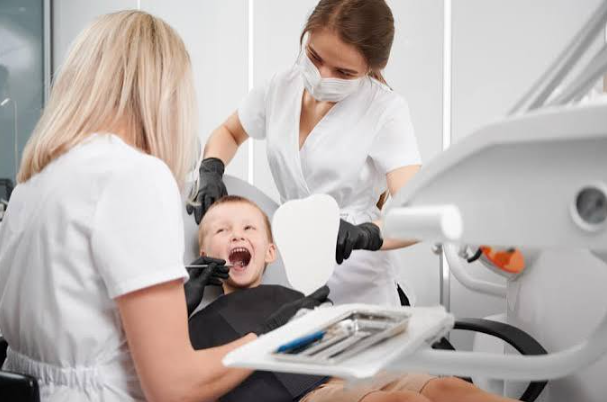

Mornings get rushed, evenings get loud, and somewhere between school drop off, work calls, sports practice, and dinner, brushing and flossing can start to feel like one more thing you are supposed to manage perfectly. Most families are not ignoring dental health, and even topics like dental implants in Buffalo Grove may only come up after routines have already started to slip. They are juggling too much, and oral care is often the first routine to slip when the day gets tight.
That is where small, steady habits matter. You do not need a flawless routine or a bathroom chart that everyone follows without complaint. You need a plan that fits real family life, catches problems early, and keeps cavities, gum trouble, and avoidable dental bills from building up. These preventive dental care tips for busy families focus on simple routines, smart food choices, regular checkups, and early prevention that saves time later.
Busy schedules often turn small dental gaps into bigger problems
A skipped brushing once in a while is not the issue. The pattern is the issue. When kids fall asleep in the car after practice, when toddlers fight the toothbrush, when parents are tired enough to say “we’ll do better tomorrow,” plaque keeps building. That can lead to cavities, gum irritation, bad breath, and treatment needs that are harder and more expensive to manage.
Children are especially vulnerable because they are still learning technique, and many need hands on help longer than parents expect. The CDC shares practical oral health tips for children, including supervised brushing with fluoride toothpaste and regular dental visits. Those basics sound simple, but they work because they reduce risk before pain starts.
Adults are not off the hook either. If your own cleanings keep getting pushed back, bleeding gums or sensitivity may be easy to ignore until they turn into something that needs more than a routine visit. A family schedule usually reflects the adults setting the pace, so when parents treat oral care as a nonnegotiable health habit, kids tend to follow that lead.
See also: How Animal Clinics Improve Quality Of Life For Pets With Illnesses
Preventive dental care works best when it is built into the day
The strongest routines are rarely the most ambitious. They are the easiest to repeat. Brushing after breakfast and before bed works because it connects to habits you already have. Floss picks by the sink can work better than a long lecture about flossing. A spare toothbrush in a sports bag helps when the night runs late.
Food and drinks matter more than many families realize. Frequent sipping on juice, soda, sports drinks, or even sweetened coffee feeds the cycle that wears down enamel. Sticky snacks that stay on teeth do the same. The CDC’s broader guidance on oral disease prevention points back to the same core idea. Daily habits shape long term dental health more than occasional big efforts.
This is also where a family dental care tips approach helps. Instead of managing each person’s routine as a separate project, make oral care part of the household rhythm. One timer. One brushing playlist. One rule about water after sugary snacks. Less friction usually means better follow through.
Simple prevention often costs less than delayed treatment
Many parents already know this in theory, but it hits differently when a child needs fillings during a packed school week or an adult ends up needing treatment that could have been prevented with earlier care. Research from the National Institute of Dental and Craniofacial Research, included in the report on oral health in America, shows how oral health is closely tied to overall health, access to care, and quality of life. Prevention is not cosmetic. It is basic health maintenance.
| Routine Habit | What It Helps Prevent | What Happens When It Gets Skipped Often |
|---|---|---|
| Brushing twice a day with fluoride toothpaste | Plaque buildup, cavities, enamel wear | Higher risk of decay, bad breath, early tooth pain |
| Daily flossing | Food and plaque between teeth, gum irritation | Bleeding gums, inflammation, hidden decay between teeth |
| Regular dental checkups and cleanings | Missed early signs of cavities and gum disease | Small issues turn into fillings, deeper cleanings, or urgent visits |
| Limiting sugary drinks and sticky snacks | Acid attacks on enamel, repeated sugar exposure | More cavities, more sensitivity, harder home care |
Preventive oral health habits get easier when they are realistic
You do not need to overhaul your whole week. You need a few repeatable moves that lower the chance of problems. That is the heart of good preventive oral care. It respects the fact that your family is busy and still gives your teeth and gums a fair shot.
Set a two minute routine that happens at the same time every day.
Pick anchors your family already follows, such as after breakfast and right before bed. Use a phone timer or song if that helps. Younger children usually need help brushing well past the toddler years, even if they want independence sooner.
Make the easy choice the visible choice.
Keep toothbrushes, floss picks, and fluoride toothpaste where people can reach them. Put water bottles in the car. Buy fewer sugary drinks for the house. If a child has a late snack, follow it with water and brushing instead of assuming one missed night does not matter.
Book family dental visits before the calendar fills up.
Preventive appointments are easier to keep when they are scheduled early and treated like school or work commitments. A trusted family dentist can track changes over time, spot issues before they become painful, and tailor advice for each age and stage.
Steady dental care protects your family’s time, comfort, and budget
Busy families do not need more guilt. They need systems that work on ordinary days, not just the organized ones. A few steady habits, fewer sugary exposures, and regular checkups can prevent a lot of stress later. That means fewer rushed appointments, fewer surprise costs, and fewer nights dealing with a toothache that could have been avoided.
If your family’s routine has slipped, you are not behind beyond repair. Start with one change, keep it simple, and build from there. When you are ready, schedule a visit with a family dentist and get everyone back on track.