Newsletter Subscribe
Enter your email address below and subscribe to our newsletter

 ByJohn A
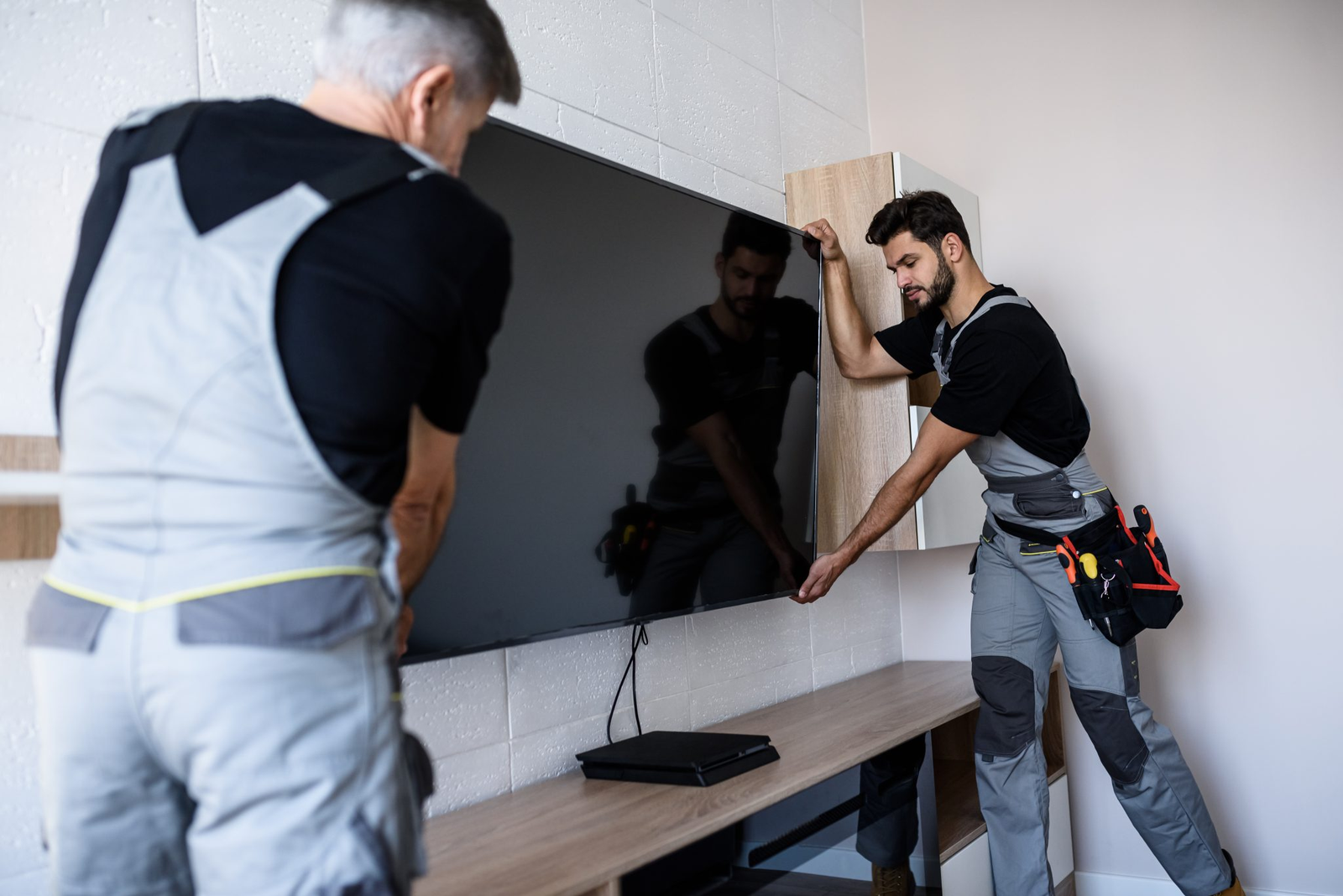
A wall-mounted TV can make a living room look neat, create more usable space, and provide a comfortable viewing experience. However, getting the right result takes more than attaching a bracket to the wall. Wall type, TV size, viewing height, cable placement, and safety all need attention before installation begins. Professional help from We Install It can make the process easier, from choosing a suitable mounting position to securing the TV properly. Although solarium installation serves a different home improvement purpose, both projects show why careful planning and correct installation methods matter when improving a home. Knowing what a TV wall mount service includes helps homeowners prepare for the work and make choices that suit their rooms.
Wall mounting is a practical option for homes where floor space is limited or where a cleaner entertainment area is preferred. A TV stand can take up valuable room, collect dust, and leave cables visible. Mounting the screen on the wall can help reduce clutter and create more space for furniture and everyday activities.
Some common benefits include:
The results depend on the room layout, wall construction, and mounting equipment. A good installation starts with these practical details rather than focusing only on appearance.
A professional TV wall mount service usually involves several steps to ensure the television is secure and positioned correctly. The exact work depends on the wall, the TV model, the mounting bracket, and any additional equipment.
The installer first assesses the wall and identifies a suitable mounting location. Drywall, wood framing, brick, and concrete require different installation methods. The mounting hardware must be appropriate for the wall material and the television’s weight.
The viewing position also matters. A TV mounted too high can cause neck discomfort, while a screen placed too low may be difficult to see from the main seating area. The installer can help determine a practical height based on the furniture and the room.
Not every TV bracket works with every television. The bracket must support the screen’s weight and match its mounting pattern.
Common types include:
Before buying a bracket, check the TV manufacturer’s mounting requirements and confirm compatibility with the selected mount.
After selecting the mounting position and hardware, the installer secures the bracket and attaches the television according to the manufacturer’s instructions. The installer should verify that the mount is stable and that the TV is properly seated.
Cable management may involve organizing power cords, HDMI cables, and connections for streaming devices or sound systems. Some homeowners prefer visible cable covers, while others may want cables routed through the wall. In-wall cable work must follow applicable electrical and building requirements.
A little preparation can help prevent delays and avoid unnecessary changes during the appointment.
Before the installer arrives, consider these points:
Homeowners should also discuss any special requirements before work begins. For example, mounting a large television above a fireplace may involve heat exposure, a higher viewing position, and limited access to power outlets.
A poorly planned installation can lead to loose fittings, visible cables, uncomfortable viewing, or damage to the wall. Several mistakes are worth avoiding.
Choosing a height based only on appearance: A high position may look impressive but can be uncomfortable during long viewing sessions. The screen should suit the main seating position.
Using unsuitable anchors: Standard drywall anchors are not automatically suitable for supporting a heavy TV mount. The correct fixing method depends on the wall construction and the mount’s requirements.
Ignoring cable access: Placing the TV too far from power outlets or connected devices can create messy wiring and limit future changes.
Buying an incompatible bracket: A mount that does not support the TV’s weight or mounting pattern can create safety problems.
Attempting complex work without the right skills: Drilling into walls can damage hidden electrical wiring or plumbing. Work involving uncertain wall conditions or in-wall electrical changes should be handled by a qualified professional.
Avoiding these problems helps protect the television, the wall, and the people using the room.
The installation location should support everyday use rather than simply look good in a photograph. Think about sunlight, windows, furniture, and the activities that take place in the room. Direct sunlight can cause screen glare, making the picture difficult to see at certain times of day. A position away from strong reflections may offer a better viewing experience. You should also leave enough clearance around the TV for ventilation and access to ports. For open-plan homes, consider how the television fits into the wider layout. The screen should be visible from the main seating area without blocking walkways or competing with other features in the room.
If you plan to add a soundbar or surround-sound equipment later, discuss the arrangement before installation. This can help prevent the need to move the television or redo cable management. Homeowners arranging several improvements may also coordinate TV mounting with other projects, such as shelving, lighting, or solarium installation. Planning the work together can help maintain a consistent layout and reduce the need for repeated changes.
Professional installation can be helpful for large televisions, unusual wall materials, full-motion brackets, and locations that require precise positioning. An experienced installer can assess the mounting surface, use suitable hardware, and position the screen according to the room’s layout.
We Install It provides TV wall mounting services for residential customers, making professional installation an option for homeowners who want help setting up their entertainment spaces. Before booking, confirm what the service includes, whether your preferred bracket is supported, and whether cable concealment or additional electrical work requires a separate arrangement.
Professional help does not remove the need for good planning. Sharing the TV model, approximate screen size, wall type, and preferred location in advance can help the installer understand the job and prepare the appropriate equipment.
A successful TV wall mount installation combines safe support, comfortable viewing, and an organized finish. The right bracket, suitable wall fixings, sensible screen placement, and proper cable management all contribute to a setup that works well for daily use. Taking time to plan these details can help avoid common installation problems and make the entertainment area easier to maintain. Contact We Install It today to discuss your TV wall mounting needs, confirm suitable installation options, and arrange professional help for a secure, tidy entertainment setup that fits your home and viewing preferences.