Newsletter Subscribe
Enter your email address below and subscribe to our newsletter

 ByJohn A
Gutters play an important role in protecting a property from rainwater and directing runoff away from vulnerable areas. When gutters become blocked, damaged or poorly aligned, water may overflow or leak where it should not. Over time, these issues can contribute to staining, moisture damage and problems around the roofline or foundations.
Regular inspections and timely Gutter Repair in Central Coast can help property owners identify problems before they become more extensive. Understanding the most common gutter issues and knowing when professional attention may be required can make gutter maintenance easier and more effective.
A properly functioning gutter system collects rainwater from the roof and directs it towards downpipes and suitable drainage points. Without effective drainage, water can accumulate around the property and affect exterior surfaces.
Well-maintained gutters can help:
Routine maintenance can also help property owners identify minor problems before they develop into costly repairs.
See also: Movers in Melbourne: Essential Tips for an Easy and Efficient Relocation
Leaves, twigs, dirt and other debris can accumulate inside gutters, particularly around trees. When this material restricts water flow, rainwater may back up and overflow over the sides.
Blocked gutters should be cleared regularly. If the blockage has caused standing water, damaged joints or gutter deformation, an inspection may be necessary to determine whether repairs are required.
Gutter sections are connected using joints and fittings. Over time, these connections can deteriorate due to weather exposure, movement or general wear.
A leaking joint may initially appear to be a minor issue, but repeated water leakage can affect nearby surfaces. Depending on the condition of the connection, the joint may need resealing, adjustment or replacement.
Gutters should maintain a suitable fall so that rainwater can flow towards the downpipes. If a gutter begins to sag, water may collect in low sections instead of draining effectively.
Sagging can result from:
If tightening or replacing brackets does not correct the problem, further gutter repair may be required.
Metal gutters can develop rust and corrosion when exposed to moisture and changing weather conditions over an extended period.
Small areas of surface corrosion may sometimes be addressed through maintenance or repair. However, extensive corrosion can weaken the gutter material and create holes or cracks.
Property owners should inspect older gutters for discolouration, flaking surfaces, visible holes and weakened sections. Widespread deterioration may indicate that replacement is more suitable than repeated repairs.
Cracks and holes can allow rainwater to escape before it reaches the downpipes. Even relatively small openings can become more noticeable during heavy rainfall.
The appropriate repair method depends on the size, location and extent of the damage. If there are multiple cracks or holes across the system, the overall condition of the gutters should be assessed rather than repairing isolated areas repeatedly.
Gutter overflow does not always mean that the gutters themselves need replacing. Blockages, inadequate drainage, incorrect gutter slope and blocked downpipes can all contribute to overflowing water.
Start by checking whether debris is restricting the flow. Downpipes should also be inspected to ensure water can pass through freely.
If overflow continues after cleaning, professional assessment may help identify the underlying cause and determine whether adjustments or repairs are needed.
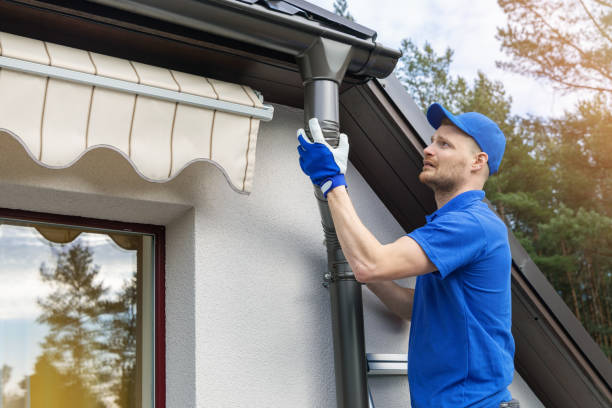
Some basic gutter maintenance can be handled by property owners, but certain problems require greater care.
Consider arranging professional assistance when you notice:
Professional inspection can help identify the source of the problem and prevent unnecessary repairs.
Not every damaged gutter requires complete replacement. The decision generally depends on the age, material and overall condition of the system.
Repair may be suitable when:
Replacement may be considered when:
An inspection of the complete system can help determine whether repairing individual areas is practical.
Regular maintenance is one of the simplest ways to reduce the risk of serious gutter problems.
Property owners should consider:
Properties surrounded by trees may require more frequent cleaning because leaves and branches can accumulate quickly.
Delaying gutter repairs can allow a relatively small problem to develop into a larger drainage issue. For example, a leaking joint may expose nearby surfaces to repeated moisture, while a blocked downpipe can cause water to overflow around the roofline.
Arranging Gutter Repair in Central Coast when problems are first noticed can help property owners maintain effective rainwater management and reduce the likelihood of more extensive damage.
Timely repairs can also help extend the useful life of an existing gutter system when the underlying materials remain in suitable condition.
Gutters are an essential part of a property’s rainwater management system, but they require regular attention to remain effective. Blockages, leaks, sagging, corrosion, cracks and damaged downpipes are some of the common problems property owners may encounter.
Regular inspections and prompt Gutter Repair in Central Coast can help address these issues before they become more difficult to manage. When damage is extensive or repairs are repeatedly required, a professional assessment can also help determine whether repair or replacement is the more appropriate option.
By keeping gutters clean, checking them after severe weather and addressing visible problems early, property owners can support better drainage and protect their property from avoidable water-related issues.